
2025-01-08
6 min read
By Zuve Studio Team
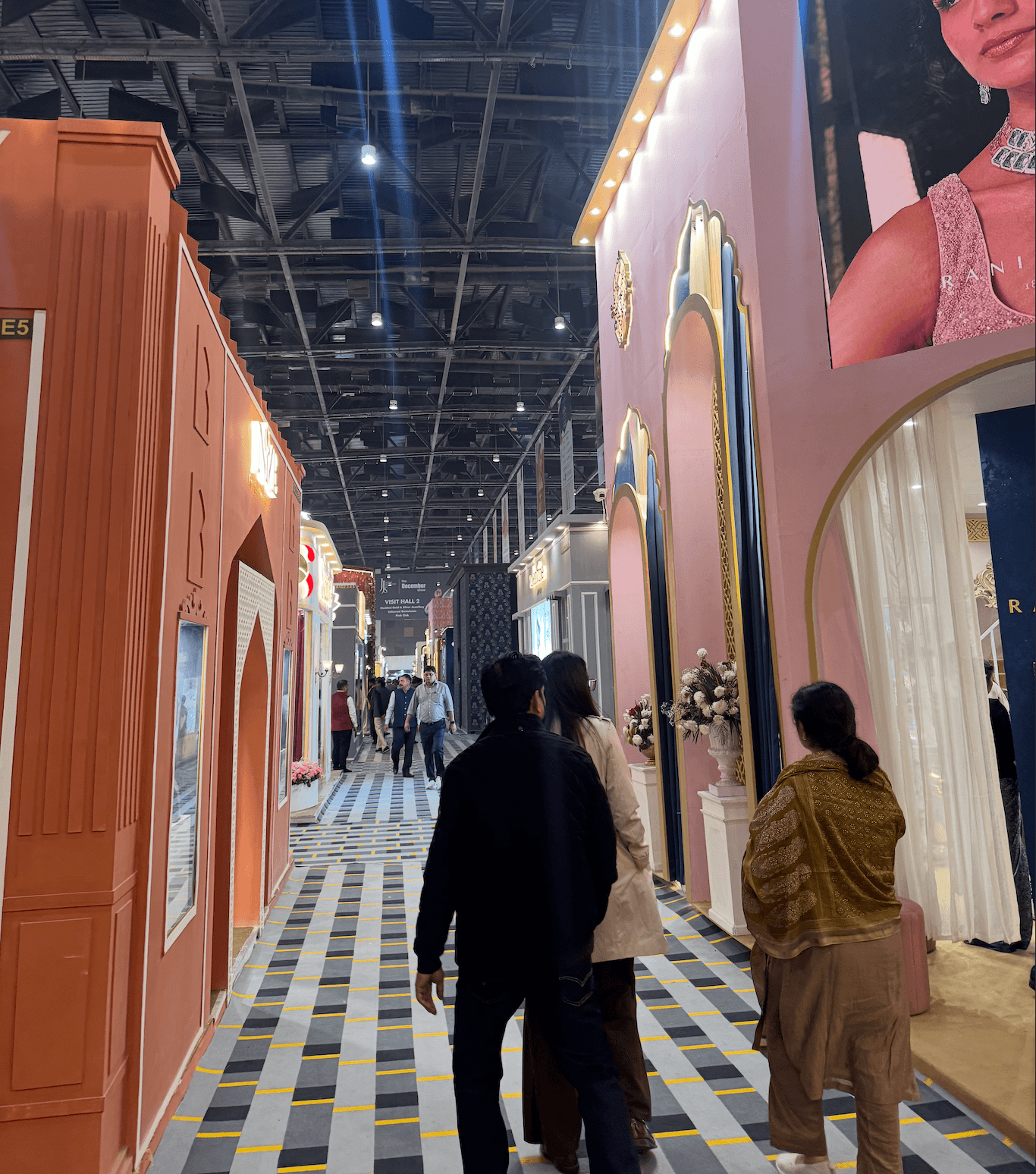
IIJS Bharat Signature 2026 returns to Mumbai this January with its largest edition yet, and the scale alone reflects how quickly the jewellery industry is evolving.
Spanning two venues and bringing together thousands of exhibitors and buyers, IIJS Bharat Signature has become more than a sourcing platform. It is where shifts in design workflows, speed expectations, and buyer communication start becoming visible.
As the industry prepares for the 2026 edition, one theme is standing out clearly. How jewellery is designed is changing as fast as how it is sold.
The 18th edition of IIJS Bharat Signature will take place across two venues in Mumbai:
Design, manufacturing, merchandising, and buyer interaction are no longer isolated functions. At IIJS Bharat Signature, these conversations intersect, often in real time.
Jewellery businesses today are operating under tighter timelines and higher expectations than ever before:
At large trade shows like IIJS Bharat Signature 2026, these pressures intensify. Meetings are shorter, decisions happen faster, and opportunities often depend on how clearly an idea can be communicated on the spot.
Beyond gemstones and finished jewellery, many discussions now revolve around process.
Not just what is being designed, but how efficiently it moves from concept to approval.
Design teams are increasingly expected to:
Traditional, slow design workflows struggle in this environment, particularly during high-intensity trade shows where time is limited and attention is fragmented.
As expectations rise, jewellery professionals are beginning to explore newer tools alongside traditional CAD workflows.
This shift has led some jewellers to explore newer jewellery design software like Zuve Studio, alongside traditional CAD, as they look to shorten design-to-approval cycles.
These tools are not replacing craftsmanship. Instead, they aim to remove friction from the early creative stages, where delays, miscommunication, or unclear visuals often cost valuable opportunities.
With sketch-to-visualisation workflows, designers can move from a rough sketch to a realistic visual in seconds. This enables teams to:
This shift aligns closely with the direction trade shows like IIJS Bharat Signature are taking. Conversations are faster, visuals are clearer, and decisions are more decisive.
What makes IIJS Bharat Signature significant is not just its size. It is the signals it sends about where the industry is heading.
Signals about:
For design-led brands and manufacturers, paying attention to these undercurrents matters as much as the business meetings themselves.
The conversations happening around IIJS Bharat Signature 2026 will likely influence how jewellery gets designed, approved, and brought to market over the next few years.
IIJS Bharat Signature 2026 is likely to reinforce a truth the industry is beginning to internalise.
The future of jewellery is not only about materials, craftsmanship, or markets.
It is about how efficiently ideas move from imagination to reality.
By the time IIJS Bharat Signature 2026 wraps up, most people will leave with orders, contacts, and follow-ups.
But the more interesting shifts usually show up in smaller moments. How quickly a design idea moves forward. How many iterations fit into one meeting. How confident a buyer feels before anything is made.
Those details do not make headlines.
They do not show up in post-show summaries.
But they quietly change how jewellery gets designed.
And shows like IIJS Bharat Signature are where those changes first become visible.
The Zuve Studio team consists of designers, engineers, and AI researchers passionate about revolutionizing the jewellery design industry through innovative technology.
Learn what design teams should expect: faster buyer decisions, clearer visual requirements, and the growing importance of speed.
Explore how leading jewellery brands are using AI to accelerate their design processes.