
AI jewellery design software for faster concept work and clearer approvals.
This page targets the software-intent version of the market. Instead of positioning Zuve as a novelty generator, it frames the product as AI jewelry design software built for sketches, iterations, collections, and client-facing design communication.
Targets buyers searching specifically for jewelry design software.
Positions Zuve around workflow utility instead of generic AI output.
Supports sketch, prompt, and collection-led design exploration.
Gives commercial search intent a clearer path to pricing and demos.
Software intent is different from inspiration intent
People searching for software are usually closer to action. They want to know whether the tool fits a real workflow, not whether it can make one interesting image.
What software-intent buyers want to see
They are evaluating whether the product helps them design more efficiently, communicate ideas more clearly, and reduce friction between concept and approval.
How AI jewelry design software should help
Capture the concept quickly
Start from a sketch, reference image, or prompt without spending days trying to make the idea presentation-ready.
Generate coherent variations
Software should help a team explore options while preserving the core design language across pieces.
Speed up approval decisions
The strongest value is not raw generation speed alone. It is faster clarity between designer, client, and team.
Why this page matters
Keyword variants like AI jewelry design software and AI jewellery design software deserve a dedicated page because the user intent is more product-aware than broad generator queries. That usually means better conversion potential when the page is written tightly.
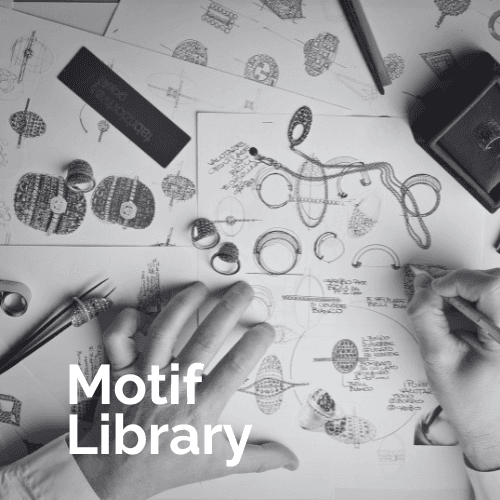
Sketch-Led Workflow
Useful when design starts on paper before it becomes a presentable digital concept.
Collection Building
Supports matching pieces and coherent variation across a line.
Prompt Precision
Lets designers steer output with jewellery-specific vocabulary.
Brand Continuity
Helps teams keep a recognisable design language instead of starting fresh every time.
Related pages for adjacent search intent
Software-intent traffic often overlaps with rendering, sketch-to-render, and comparison queries. These related pages help capture that spillover without forcing one page to do every job.
A useful software page needs commercial clarity
The job of this page is simple: make it obvious that Zuve belongs in a software evaluation set, not only in a list of AI image tools.
What software buyers usually compare
| Tool | Evaluation angle | What strong software should do | What weak tools usually do |
|---|---|---|---|
| Input flexibility | Accept sketches, prompts, and references | Force one narrow input style | |
| Design continuity | Support collections and related variations | Produce isolated one-off images | |
| Workflow value | Shorten approvals and feedback loops | Add output without improving decisions |
FAQ
Is Zuve Studio positioned as AI jewelry design software or just a generator?
Both terms matter, but this page is written specifically for software-intent searches. It emphasizes workflow, iteration, and approvals instead of only generation.
Who is this type of software for?
It is most relevant for jewellery designers, custom design teams, and brands that need faster concept communication before production decisions.
Why have a separate software page if the generator page already exists?
Because search intent changes meaning. Someone searching for software is often evaluating a product category more seriously than someone casually searching for a generator.